
Oil Boiler Installation Belfast: What Should a Professional Installation Include?
Replacing an oil boiler is not simply a case of removing the old appliance and connecting a new one. A properly planned installation should take account of the boiler, heating system, oil supply, controls, flue arrangement and the practical requirements of the property.

Why you can trust our content
We understand that the boiler industry can be confusing, with plenty of outdated or misleading information. That’s why we rely only on trusted, proven sources to guide our advice and installations:

At a glance
For homeowners arranging oil boiler installation Belfast, understanding what should be included can make it easier to assess quotations and know what questions to ask before work begins. A clear installation plan should explain what is being supplied, what work is required and how the completed system will be tested.
If you are considering an oil boiler replacement, Reid Energy Solutions can assess your existing heating system and explain what a suitable installation could involve.
What should a professional oil boiler installation include?
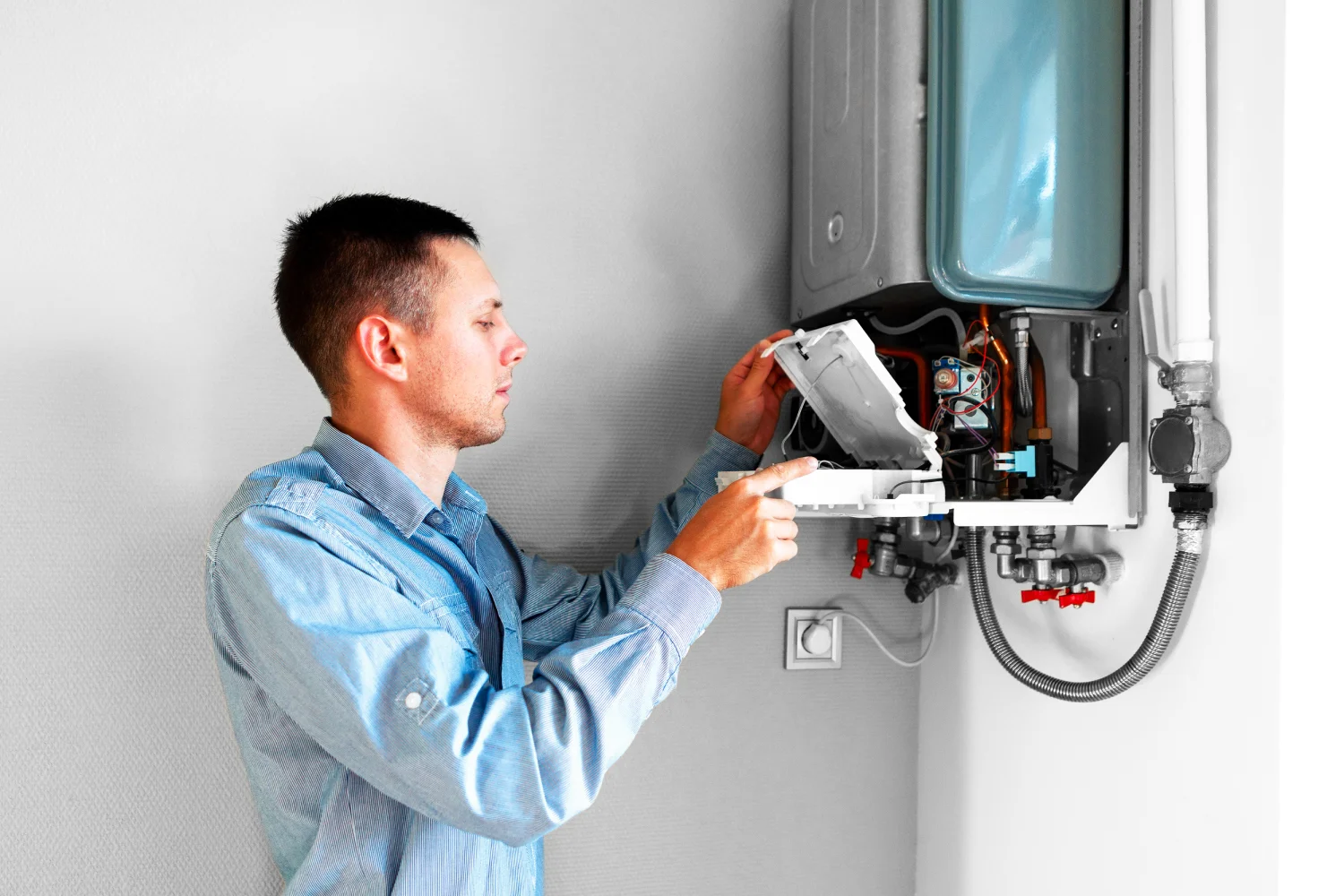
A professional installation should begin with an assessment rather than starting with the boiler itself. The installer needs to understand the property’s heating and hot water requirements and check the existing system.
Depending on the property, this can include reviewing:
- The existing boiler
- Heating and hot water requirements
- Boiler output requirements
- Radiators and pipework
- Heating controls
- Oil tank and oil supply
- Flue arrangements
- Boiler location
- Access requirements
- Existing system condition
Once these factors have been assessed, the installer can recommend an appropriate boiler and explain the work involved.
A detailed quotation should then make clear which components and services are included in the proposed installation.
Why is a pre-installation assessment important?
A survey allows potential issues to be identified before installation day.
The existing boiler may be easy to access, but other parts of the heating system could require attention. For example, older pipework may need alterations, controls may be unsuitable for the replacement appliance, or the oil tank may require inspection.
The assessment also provides an opportunity to establish whether the proposed boiler is correctly sized for the property. Choosing an appliance based only on the output of the existing boiler does not necessarily provide the best solution.
For homeowners comparing an oil boiler installation company, the quality and detail of the initial assessment can therefore be an important part of the comparison.
How should the replacement boiler be selected?
The boiler should be selected according to the property’s heating requirements and the way the household uses hot water.
An installer may consider:
- Property size
- Number of rooms
- Insulation levels
- Heat loss
- Number and size of radiators
- Hot water requirements
- Existing system design
- Available installation space
A boiler that is too small may struggle to meet demand, while choosing an unnecessarily large appliance does not automatically improve performance.
The recommended model should therefore be explained in terms of the property’s requirements rather than selected simply because it is the most powerful option available.
What happens to the existing boiler?
The old appliance normally needs to be disconnected and removed as part of the replacement process.
The installation quotation should make clear whether removal and disposal are included. Once the old boiler has been removed, the installer can prepare the area for the new appliance and inspect any components that were previously difficult to access.
This stage can also reveal problems that were not obvious during the initial assessment. If additional work is required, the homeowner should be informed before proceeding wherever possible.
Should the existing pipework be checked?
Yes. Pipework forms an important part of the heating system and should not be overlooked during a boiler replacement.
Older pipework may be in good condition and suitable for continued use, but sections can sometimes require alteration or replacement. The installer should consider the condition and configuration of the existing system and explain any recommended changes.
This is particularly relevant where the new boiler differs from the existing arrangement or where the boiler is being relocated.
A quotation should identify significant pipework work where it is known to be necessary.
What should happen with the oil tank?
The oil tank should be considered as part of the wider installation, even if it does not need replacing.
An installer can assess whether the tank appears to be in suitable condition and whether its position and connection to the boiler remain appropriate.
Warning signs that may require further attention can include:
- Visible corrosion
- Cracks or damage
- Evidence of leaks
- Deteriorated fittings
- Structural deterioration
- An unsuitable or problematic location
If the tank is suitable to remain, there may be no reason to replace it. If problems are identified, they should be explained before the boiler installation proceeds.
Are heating controls included in a professional installation?
They should at least be considered as part of the system assessment.
A new boiler may work with existing controls, depending on the system and their condition. However, older controls may no longer provide the level of control that the homeowner needs.
The installer should establish whether the existing programmer, thermostat or other controls are suitable and explain any recommended upgrade.
This does not mean every boiler installation requires a complete controls replacement. The appropriate arrangement depends on the heating system and household.
What should be checked around the flue?
The flue is an essential part of the boiler installation and should be assessed carefully.
The installer needs to consider the proposed appliance, flue route, termination position and available clearances. If the boiler is being moved, the flue arrangement may also need to change.
The exact requirements depend on the appliance and installation circumstances. A professional should ensure that the proposed arrangement is appropriate rather than assuming the existing flue can simply be reused.
This is another reason why a site assessment is preferable to relying on a basic appliance-only quotation.
Which fuel powers your boiler?
It just takes 60 Seconds
And then you can book a free consultation
What does the actual installation process involve?
Once the assessment and planning are complete, the installation can proceed.
A typical project may involve:
- Preparing the work area.
- Isolating and removing the existing boiler.
- Making any required pipework alterations.
- Preparing the boiler location.
- Installing the replacement appliance.
- Connecting the heating and oil supply.
- Installing or updating suitable controls.
- Completing the flue arrangement.
- Testing the system.
- Commissioning the boiler.
- Demonstrating the controls to the homeowner.
- Providing relevant documentation.
The exact process varies according to the property and heating system.
For a planned oil boiler installation Belfast, the homeowner should understand the expected scope before work begins rather than discovering major elements as the project progresses.
Reid Energy Solutions can discuss the installation requirements for your existing oil heating system and explain what work may be needed. Contact our team if you would like a tailored assessment and quotation.
What should commissioning involve?
Commissioning is an important part of completing the installation.
The newly installed boiler should be checked to ensure that it is operating correctly and that the system has been set up appropriately. The installer should also verify the relevant controls and associated components.
Homeowners should not regard the installation as complete simply because the boiler switches on. Proper testing and commissioning provide an opportunity to confirm that the finished system is functioning as intended.
The installer should also explain how to operate the boiler and controls, so the homeowner knows how to manage the system after the installation team has left.
What should be included in the quotation?
A detailed quotation should provide enough information for the homeowner to understand the proposed work.
|
Quotation item |
What homeowners should check |
|
Boiler |
Make, model and output |
|
Labour |
Whether complete installation is included |
|
Old boiler |
Removal and disposal arrangements |
|
Pipework |
Any alterations or replacement sections |
|
Controls |
Existing controls or proposed upgrades |
|
Flue |
Proposed arrangement and associated work |
|
Oil supply |
Any required changes or components |
|
Commissioning |
Testing and setup of the completed system |
|
Documentation |
What installation information will be provided |
|
Additional work |
Known extra requirements and costs |
A clear quotation also makes it easier to compare different proposals. If one quotation is much shorter than another, ask whether the same work and components have actually been included.
How should you compare an oil boiler installation company?
Price is one consideration, but it should not be the only one.
When comparing an oil boiler installation company, consider the information provided before the work begins, the detail in the quotation and the explanation of the proposed system.
Questions worth asking include:
- Has the existing heating system been properly assessed?
- How was the boiler size selected?
- Has the oil tank been considered?
- Are controls included?
- Is removal of the old appliance included?
- Are known pipework changes identified?
- What testing and commissioning are included?
- What documentation will be provided?
- Who should be contacted if a problem develops after installation?
A company that explains the work clearly gives the homeowner a better understanding of what is being proposed.
What can homeowners expect after installation?
The installation should finish with the system operating correctly and the homeowner understanding how to use it.
The installer should explain the controls and provide relevant paperwork and manufacturer information. It is sensible to keep these documents somewhere accessible.
Homeowners should also understand any ongoing servicing requirements for the boiler. Following the manufacturer’s guidance and arranging appropriate maintenance can help identify potential issues and keep the system operating as intended.
This gives the homeowner a clearer picture of the complete project and allows the work to be planned before installation day.
A typical professional installation
Consider a typical semi-detached property with an ageing oil boiler that has become unreliable. The homeowner wants a replacement but does not want unnecessary changes to the rest of the heating system.
During the assessment, the installer checks the boiler, radiators, pipework, controls, oil tank and flue arrangement. The existing tank is considered suitable, but the heating controls require updating and a small section of pipework needs alteration.
Rather than presenting the homeowner with a basic boiler price, the quotation sets out the appliance, labour, controls, pipework work, removal, commissioning and other included elements.
Final thoughts
A professional boiler replacement involves considerably more than fitting a new appliance. The property’s heating requirements, pipework, controls, oil tank, flue and installation conditions should all be considered before work begins.
For homeowners arranging oil boiler installation Belfast, a detailed assessment and transparent quotation can provide a much clearer understanding of the project. It also gives you an opportunity to ask questions before decisions need to be made on installation day.
If you are planning an oil boiler replacement, Reid Energy Solutions can assess your existing system and explain the work involved. Speak to our team to discuss your requirements or request a bespoke quotation.
Related articles



Which fuel powers your boiler?
At a glance
For homeowners arranging oil boiler installation Belfast, understanding what should be included can make it easier to assess quotations and know what questions to ask before work begins. A clear installation plan should explain what is being supplied, what work is required and how the completed system will be tested.
If you are considering an oil boiler replacement, Reid Energy Solutions can assess your existing heating system and explain what a suitable installation could involve.
What should a professional oil boiler installation include?
A professional installation should begin with an assessment rather than starting with the boiler itself. The installer needs to understand the property’s heating and hot water requirements and check the existing system.
Depending on the property, this can include reviewing:
- The existing boiler
- Heating and hot water requirements
- Boiler output requirements
- Radiators and pipework
- Heating controls
- Oil tank and oil supply
- Flue arrangements
- Boiler location
- Access requirements
- Existing system condition
Once these factors have been assessed, the installer can recommend an appropriate boiler and explain the work involved.
A detailed quotation should then make clear which components and services are included in the proposed installation.
Why is a pre-installation assessment important?
A survey allows potential issues to be identified before installation day.
The existing boiler may be easy to access, but other parts of the heating system could require attention. For example, older pipework may need alterations, controls may be unsuitable for the replacement appliance, or the oil tank may require inspection.
The assessment also provides an opportunity to establish whether the proposed boiler is correctly sized for the property. Choosing an appliance based only on the output of the existing boiler does not necessarily provide the best solution.
For homeowners comparing an oil boiler installation company, the quality and detail of the initial assessment can therefore be an important part of the comparison.
How should the replacement boiler be selected?
The boiler should be selected according to the property’s heating requirements and the way the household uses hot water.
An installer may consider:
- Property size
- Number of rooms
- Insulation levels
- Heat loss
- Number and size of radiators
- Hot water requirements
- Existing system design
- Available installation space
A boiler that is too small may struggle to meet demand, while choosing an unnecessarily large appliance does not automatically improve performance.
The recommended model should therefore be explained in terms of the property’s requirements rather than selected simply because it is the most powerful option available.
What happens to the existing boiler?
The old appliance normally needs to be disconnected and removed as part of the replacement process.
The installation quotation should make clear whether removal and disposal are included. Once the old boiler has been removed, the installer can prepare the area for the new appliance and inspect any components that were previously difficult to access.
This stage can also reveal problems that were not obvious during the initial assessment. If additional work is required, the homeowner should be informed before proceeding wherever possible.
Should the existing pipework be checked?
Yes. Pipework forms an important part of the heating system and should not be overlooked during a boiler replacement.
Older pipework may be in good condition and suitable for continued use, but sections can sometimes require alteration or replacement. The installer should consider the condition and configuration of the existing system and explain any recommended changes.
This is particularly relevant where the new boiler differs from the existing arrangement or where the boiler is being relocated.
A quotation should identify significant pipework work where it is known to be necessary.
What should happen with the oil tank?
The oil tank should be considered as part of the wider installation, even if it does not need replacing.
An installer can assess whether the tank appears to be in suitable condition and whether its position and connection to the boiler remain appropriate.
Warning signs that may require further attention can include:
- Visible corrosion
- Cracks or damage
- Evidence of leaks
- Deteriorated fittings
- Structural deterioration
- An unsuitable or problematic location
If the tank is suitable to remain, there may be no reason to replace it. If problems are identified, they should be explained before the boiler installation proceeds.
Are heating controls included in a professional installation?
They should at least be considered as part of the system assessment.
A new boiler may work with existing controls, depending on the system and their condition. However, older controls may no longer provide the level of control that the homeowner needs.
The installer should establish whether the existing programmer, thermostat or other controls are suitable and explain any recommended upgrade.
This does not mean every boiler installation requires a complete controls replacement. The appropriate arrangement depends on the heating system and household.
What should be checked around the flue?
The flue is an essential part of the boiler installation and should be assessed carefully.
The installer needs to consider the proposed appliance, flue route, termination position and available clearances. If the boiler is being moved, the flue arrangement may also need to change.
The exact requirements depend on the appliance and installation circumstances. A professional should ensure that the proposed arrangement is appropriate rather than assuming the existing flue can simply be reused.
This is another reason why a site assessment is preferable to relying on a basic appliance-only quotation.
Which fuel powers your boiler?
It just takes 60 Seconds
And then you can book a free consultation
What does the actual installation process involve?
Once the assessment and planning are complete, the installation can proceed.
A typical project may involve:
- Preparing the work area.
- Isolating and removing the existing boiler.
- Making any required pipework alterations.
- Preparing the boiler location.
- Installing the replacement appliance.
- Connecting the heating and oil supply.
- Installing or updating suitable controls.
- Completing the flue arrangement.
- Testing the system.
- Commissioning the boiler.
- Demonstrating the controls to the homeowner.
- Providing relevant documentation.
The exact process varies according to the property and heating system.
For a planned oil boiler installation Belfast, the homeowner should understand the expected scope before work begins rather than discovering major elements as the project progresses.
Reid Energy Solutions can discuss the installation requirements for your existing oil heating system and explain what work may be needed. Contact our team if you would like a tailored assessment and quotation.
What should commissioning involve?
Commissioning is an important part of completing the installation.
The newly installed boiler should be checked to ensure that it is operating correctly and that the system has been set up appropriately. The installer should also verify the relevant controls and associated components.
Homeowners should not regard the installation as complete simply because the boiler switches on. Proper testing and commissioning provide an opportunity to confirm that the finished system is functioning as intended.
The installer should also explain how to operate the boiler and controls, so the homeowner knows how to manage the system after the installation team has left.
What should be included in the quotation?
A detailed quotation should provide enough information for the homeowner to understand the proposed work.
|
Quotation item |
What homeowners should check |
|
Boiler |
Make, model and output |
|
Labour |
Whether complete installation is included |
|
Old boiler |
Removal and disposal arrangements |
|
Pipework |
Any alterations or replacement sections |
|
Controls |
Existing controls or proposed upgrades |
|
Flue |
Proposed arrangement and associated work |
|
Oil supply |
Any required changes or components |
|
Commissioning |
Testing and setup of the completed system |
|
Documentation |
What installation information will be provided |
|
Additional work |
Known extra requirements and costs |
A clear quotation also makes it easier to compare different proposals. If one quotation is much shorter than another, ask whether the same work and components have actually been included.
How should you compare an oil boiler installation company?
Price is one consideration, but it should not be the only one.
When comparing an oil boiler installation company, consider the information provided before the work begins, the detail in the quotation and the explanation of the proposed system.
Questions worth asking include:
- Has the existing heating system been properly assessed?
- How was the boiler size selected?
- Has the oil tank been considered?
- Are controls included?
- Is removal of the old appliance included?
- Are known pipework changes identified?
- What testing and commissioning are included?
- What documentation will be provided?
- Who should be contacted if a problem develops after installation?
A company that explains the work clearly gives the homeowner a better understanding of what is being proposed.
What can homeowners expect after installation?
The installation should finish with the system operating correctly and the homeowner understanding how to use it.
The installer should explain the controls and provide relevant paperwork and manufacturer information. It is sensible to keep these documents somewhere accessible.
Homeowners should also understand any ongoing servicing requirements for the boiler. Following the manufacturer’s guidance and arranging appropriate maintenance can help identify potential issues and keep the system operating as intended.
This gives the homeowner a clearer picture of the complete project and allows the work to be planned before installation day.
A typical professional installation
Consider a typical semi-detached property with an ageing oil boiler that has become unreliable. The homeowner wants a replacement but does not want unnecessary changes to the rest of the heating system.
During the assessment, the installer checks the boiler, radiators, pipework, controls, oil tank and flue arrangement. The existing tank is considered suitable, but the heating controls require updating and a small section of pipework needs alteration.
Rather than presenting the homeowner with a basic boiler price, the quotation sets out the appliance, labour, controls, pipework work, removal, commissioning and other included elements.
Final thoughts
A professional boiler replacement involves considerably more than fitting a new appliance. The property’s heating requirements, pipework, controls, oil tank, flue and installation conditions should all be considered before work begins.
For homeowners arranging oil boiler installation Belfast, a detailed assessment and transparent quotation can provide a much clearer understanding of the project. It also gives you an opportunity to ask questions before decisions need to be made on installation day.
If you are planning an oil boiler replacement, Reid Energy Solutions can assess your existing system and explain the work involved. Speak to our team to discuss your requirements or request a bespoke quotation.
