
Boiler Repair Belfast: Should You Repair Your Existing Oil Boiler or Start Planning an Upgrade?
When an oil boiler stops working, the immediate priority is usually getting the heating and hot water back. But if the appliance has become unreliable, the bigger question may be whether another repair is sensible or whether it is time to start planning a replacement.

Why you can trust our content
We understand that the boiler industry can be confusing, with plenty of outdated or misleading information. That’s why we rely only on trusted, proven sources to guide our advice and installations:

At a glance
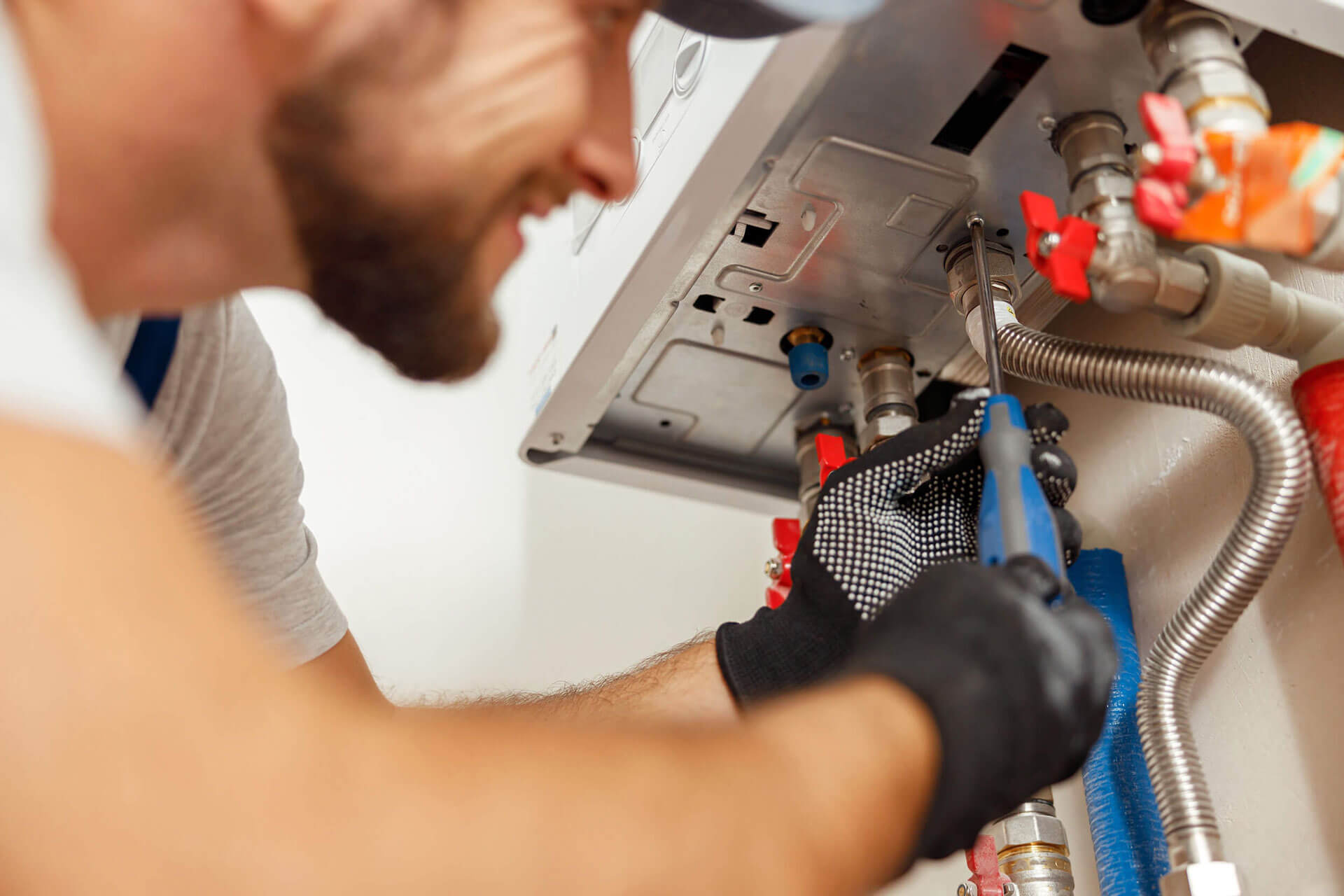
There is no universal answer. A relatively straightforward fault on an otherwise well-maintained boiler can make repair the sensible route, while repeated failures on an older appliance may justify looking at replacement options.
For homeowners considering boiler repair Belfast, understanding the condition and history of the existing system can make the decision much clearer.
If your oil boiler is becoming unreliable, Reid Energy Solutions can assess the problem and help you understand whether repair or replacement is the more appropriate route for your heating system.
When is boiler repair usually worth considering?
Repair can make sense when the boiler is in reasonable overall condition and the fault is relatively straightforward to resolve.
For example, a boiler may stop operating because of a component fault, control issue or another repairable problem. If the appliance has otherwise been reliable and there is no evidence of wider deterioration, replacing the entire system may be unnecessary.
A professional assessment should establish what has failed and whether there are signs of additional problems developing.
Factors that can support repairing the existing appliance include:
- The boiler is relatively young
- It has a good maintenance history
- Previous repairs have been limited
- Replacement parts are available
- The fault can be clearly identified
- The rest of the heating system remains in suitable condition
A repair should address the underlying problem rather than simply restore operation temporarily.
How does boiler age affect the repair decision?
Age is an important consideration, although it should not be the only factor.
Older boilers may require more frequent repairs as components wear. Replacement parts can also become harder to source for some older appliances, depending on the manufacturer and model.
An older boiler that has experienced one isolated fault may still be repairable. However, if several components have failed over a relatively short period, continuing to spend money on individual repairs may deserve closer consideration.
The condition of the wider heating system should also be taken into account. Replacing an old boiler can provide an opportunity to reassess the controls, pipework and other components rather than continuing with an increasingly unreliable setup.
What signs suggest a boiler may be nearing the end of its useful life?
Repeated problems can be a stronger warning sign than one isolated breakdown.
Homeowners may want to discuss replacement if they notice:
- Frequent breakdowns
- Increasing repair bills
- Recurring faults with the same appliance
- Difficulty obtaining replacement parts
- Unreliable heating or hot water
- Unusual noises or repeated operational problems
- An appliance that is becoming difficult to maintain
- A general decline in reliability
These signs do not automatically mean that replacement is required. A qualified installer should assess the appliance and explain what is actually happening.
However, repeated failures can make it useful to start planning before the boiler stops working completely.
Which fuel powers your boiler?
It just takes 60 Seconds
And then you can book a free consultation
Should you repair an old oil boiler more than once?
There is no fixed number of repairs that means a boiler must be replaced. The decision depends on the nature, frequency and cost of the faults.
A useful way to think about the situation is to consider the pattern rather than one individual repair.
|
Situation |
What to consider |
|
One minor fault |
Repair may be reasonable if the boiler is otherwise reliable |
|
Occasional repairs |
Review the appliance’s age and overall condition |
|
Frequent breakdowns |
Consider whether continued repairs remain practical |
|
Major component failure |
Compare repair costs and replacement options |
|
Repeated expensive repairs |
Assess whether replacement planning makes more sense |
|
Parts becoming difficult to source |
Discuss longer-term options with an installer |
The aim is not to replace an appliance unnecessarily. It is to understand whether the current system remains a sensible and reliable option.
What should you ask before agreeing to a repair?
Before authorising work, ask the installer to explain what has failed and what the proposed repair involves.
Useful questions include:
- What is causing the boiler fault?
- Is the problem isolated or part of a wider issue?
- Is the required component available?
- How long is the repair expected to last?
- Are there signs of other components deteriorating?
- How old is the boiler?
- Would replacement be worth considering instead?
- Is the rest of the heating system in good condition?
Clear information allows homeowners to make a decision based on the actual condition of the appliance rather than simply choosing the quickest option.
If you need boiler repair, Reid Energy Solutions can assess the fault and explain the practical options available. Contact our team if you would like professional guidance before deciding whether to repair or replace.
How do repair costs compare with replacement?
The cost of a repair can vary considerably depending on the fault and the component involved. A relatively simple repair may be much less expensive than installing a completely new boiler.
However, the cheapest immediate option is not always the only consideration.
If a boiler has already required several repairs, another repair may form part of a wider pattern of declining reliability. In that situation, it can be useful to compare the immediate repair with the longer-term cost of continuing to maintain the appliance.
A replacement also involves more upfront expenditure, so homeowners should consider the age and condition of the boiler, expected future repairs and the reliability of the existing system.
Can a boiler repair identify other heating system problems?
Sometimes. A fault with the boiler may highlight issues elsewhere in the heating system.
For example, recurring circulation problems, poor heating performance or control issues may not be caused by the boiler itself. Pipework, radiators, pumps and controls can all influence how effectively the heating system operates.
This is why an assessment should consider the wider installation where appropriate.
Repairing the boiler without addressing a separate system problem may leave the homeowner with the same heating issue after the appliance has been returned to operation.
What if the boiler keeps breaking down?
If the same appliance repeatedly fails, it is worth stepping back and reviewing the overall situation.
Repeated breakdowns can be inconvenient, particularly during colder weather. They can also make household budgeting more difficult because repair costs become unpredictable.
At this point, homeowners may want to ask whether the boiler is still providing dependable service and whether further investment is justified.
Planning a replacement before a complete failure can also provide more time to compare options rather than making a decision during an emergency.
Is replacement always better than repair?
No. Replacing a boiler is a significant project, and there is no reason to replace a suitable appliance simply because it has developed one repairable fault.
A newer boiler can offer the opportunity to improve reliability and review the wider heating system, but replacement should be based on the condition and suitability of the existing appliance.
The appropriate decision depends on the circumstances of each property.
A professional assessment can help distinguish between a straightforward fault and a situation where replacement planning is becoming sensible.
What else should be considered before replacing an oil boiler?
If replacement is being considered, homeowners should look beyond the boiler itself.
The installer may need to assess:
- Property heating requirements
- Boiler output
- Existing radiators
- Heating controls
- Pipework
- Oil tank condition
- Flue arrangements
- Boiler location
- Hot water requirements
- Access for installation
This ensures that the replacement is designed around the property rather than simply replacing one appliance with another.
A typical repair-or-replace scenario
Imagine a Belfast homeowner with an older oil boiler that has been repaired several times over the last few years. A new fault develops, leaving the property without reliable heating.
An installer identifies the immediate problem and confirms that it can be repaired. However, the boiler has also experienced previous component failures and some replacement parts are becoming more difficult to source.
Rather than making the decision based solely on the current fault, the homeowner considers the appliance’s repair history, age and overall reliability. They decide to plan for replacement while addressing the current issue, giving them time to understand the available options without rushing into a purchase.
This type of forward planning can be useful where a boiler is still repairable but increasingly unreliable.
How can you prepare for a future boiler replacement?
Even if you decide to repair the existing boiler, it can be sensible to start gathering information about replacement options if the appliance is ageing.
You could:
- Find out the age and model of the current boiler.
- Keep records of significant repairs.
- Note recurring faults.
- Ask whether replacement parts remain readily available.
- Have the wider heating system assessed.
- Research suitable replacement options.
- Request a quotation before the existing boiler reaches complete failure.
This does not mean committing to replacement immediately. It simply gives you more information if another breakdown occurs.
Final thoughts
A single boiler fault does not automatically mean that replacement is necessary. For a suitable appliance in reasonable condition, a properly diagnosed repair may restore reliable operation.
However, repeated breakdowns, rising repair costs, ageing components and declining reliability can all be reasons to start considering a longer-term replacement plan. Looking at the complete heating system provides a clearer picture than focusing on one fault in isolation.
If you are facing recurring problems and want to understand your options, Reid Energy Solutions can assess your oil heating system and provide practical advice. Speak to our team about boiler repair Belfast homeowners can plan with confidence, or discuss whether replacement is becoming the more appropriate route.
Related articles
Which fuel powers your boiler?
At a glance
There is no universal answer. A relatively straightforward fault on an otherwise well-maintained boiler can make repair the sensible route, while repeated failures on an older appliance may justify looking at replacement options.
For homeowners considering boiler repair Belfast, understanding the condition and history of the existing system can make the decision much clearer.
If your oil boiler is becoming unreliable, Reid Energy Solutions can assess the problem and help you understand whether repair or replacement is the more appropriate route for your heating system.
When is boiler repair usually worth considering?
Repair can make sense when the boiler is in reasonable overall condition and the fault is relatively straightforward to resolve.
For example, a boiler may stop operating because of a component fault, control issue or another repairable problem. If the appliance has otherwise been reliable and there is no evidence of wider deterioration, replacing the entire system may be unnecessary.
A professional assessment should establish what has failed and whether there are signs of additional problems developing.
Factors that can support repairing the existing appliance include:
- The boiler is relatively young
- It has a good maintenance history
- Previous repairs have been limited
- Replacement parts are available
- The fault can be clearly identified
- The rest of the heating system remains in suitable condition
A repair should address the underlying problem rather than simply restore operation temporarily.
How does boiler age affect the repair decision?
Age is an important consideration, although it should not be the only factor.
Older boilers may require more frequent repairs as components wear. Replacement parts can also become harder to source for some older appliances, depending on the manufacturer and model.
An older boiler that has experienced one isolated fault may still be repairable. However, if several components have failed over a relatively short period, continuing to spend money on individual repairs may deserve closer consideration.
The condition of the wider heating system should also be taken into account. Replacing an old boiler can provide an opportunity to reassess the controls, pipework and other components rather than continuing with an increasingly unreliable setup.
What signs suggest a boiler may be nearing the end of its useful life?
Repeated problems can be a stronger warning sign than one isolated breakdown.
Homeowners may want to discuss replacement if they notice:
- Frequent breakdowns
- Increasing repair bills
- Recurring faults with the same appliance
- Difficulty obtaining replacement parts
- Unreliable heating or hot water
- Unusual noises or repeated operational problems
- An appliance that is becoming difficult to maintain
- A general decline in reliability
These signs do not automatically mean that replacement is required. A qualified installer should assess the appliance and explain what is actually happening.
However, repeated failures can make it useful to start planning before the boiler stops working completely.
Which fuel powers your boiler?
It just takes 60 Seconds
And then you can book a free consultation
Should you repair an old oil boiler more than once?
There is no fixed number of repairs that means a boiler must be replaced. The decision depends on the nature, frequency and cost of the faults.
A useful way to think about the situation is to consider the pattern rather than one individual repair.
|
Situation |
What to consider |
|
One minor fault |
Repair may be reasonable if the boiler is otherwise reliable |
|
Occasional repairs |
Review the appliance’s age and overall condition |
|
Frequent breakdowns |
Consider whether continued repairs remain practical |
|
Major component failure |
Compare repair costs and replacement options |
|
Repeated expensive repairs |
Assess whether replacement planning makes more sense |
|
Parts becoming difficult to source |
Discuss longer-term options with an installer |
The aim is not to replace an appliance unnecessarily. It is to understand whether the current system remains a sensible and reliable option.
What should you ask before agreeing to a repair?
Before authorising work, ask the installer to explain what has failed and what the proposed repair involves.
Useful questions include:
- What is causing the boiler fault?
- Is the problem isolated or part of a wider issue?
- Is the required component available?
- How long is the repair expected to last?
- Are there signs of other components deteriorating?
- How old is the boiler?
- Would replacement be worth considering instead?
- Is the rest of the heating system in good condition?
Clear information allows homeowners to make a decision based on the actual condition of the appliance rather than simply choosing the quickest option.
If you need boiler repair, Reid Energy Solutions can assess the fault and explain the practical options available. Contact our team if you would like professional guidance before deciding whether to repair or replace.
How do repair costs compare with replacement?
The cost of a repair can vary considerably depending on the fault and the component involved. A relatively simple repair may be much less expensive than installing a completely new boiler.
However, the cheapest immediate option is not always the only consideration.
If a boiler has already required several repairs, another repair may form part of a wider pattern of declining reliability. In that situation, it can be useful to compare the immediate repair with the longer-term cost of continuing to maintain the appliance.
A replacement also involves more upfront expenditure, so homeowners should consider the age and condition of the boiler, expected future repairs and the reliability of the existing system.
Can a boiler repair identify other heating system problems?
Sometimes. A fault with the boiler may highlight issues elsewhere in the heating system.
For example, recurring circulation problems, poor heating performance or control issues may not be caused by the boiler itself. Pipework, radiators, pumps and controls can all influence how effectively the heating system operates.
This is why an assessment should consider the wider installation where appropriate.
Repairing the boiler without addressing a separate system problem may leave the homeowner with the same heating issue after the appliance has been returned to operation.
What if the boiler keeps breaking down?
If the same appliance repeatedly fails, it is worth stepping back and reviewing the overall situation.
Repeated breakdowns can be inconvenient, particularly during colder weather. They can also make household budgeting more difficult because repair costs become unpredictable.
At this point, homeowners may want to ask whether the boiler is still providing dependable service and whether further investment is justified.
Planning a replacement before a complete failure can also provide more time to compare options rather than making a decision during an emergency.
Is replacement always better than repair?
No. Replacing a boiler is a significant project, and there is no reason to replace a suitable appliance simply because it has developed one repairable fault.
A newer boiler can offer the opportunity to improve reliability and review the wider heating system, but replacement should be based on the condition and suitability of the existing appliance.
The appropriate decision depends on the circumstances of each property.
A professional assessment can help distinguish between a straightforward fault and a situation where replacement planning is becoming sensible.
What else should be considered before replacing an oil boiler?
If replacement is being considered, homeowners should look beyond the boiler itself.
The installer may need to assess:
- Property heating requirements
- Boiler output
- Existing radiators
- Heating controls
- Pipework
- Oil tank condition
- Flue arrangements
- Boiler location
- Hot water requirements
- Access for installation
This ensures that the replacement is designed around the property rather than simply replacing one appliance with another.
A typical repair-or-replace scenario
Imagine a Belfast homeowner with an older oil boiler that has been repaired several times over the last few years. A new fault develops, leaving the property without reliable heating.
An installer identifies the immediate problem and confirms that it can be repaired. However, the boiler has also experienced previous component failures and some replacement parts are becoming more difficult to source.
Rather than making the decision based solely on the current fault, the homeowner considers the appliance’s repair history, age and overall reliability. They decide to plan for replacement while addressing the current issue, giving them time to understand the available options without rushing into a purchase.
This type of forward planning can be useful where a boiler is still repairable but increasingly unreliable.
How can you prepare for a future boiler replacement?
Even if you decide to repair the existing boiler, it can be sensible to start gathering information about replacement options if the appliance is ageing.
You could:
- Find out the age and model of the current boiler.
- Keep records of significant repairs.
- Note recurring faults.
- Ask whether replacement parts remain readily available.
- Have the wider heating system assessed.
- Research suitable replacement options.
- Request a quotation before the existing boiler reaches complete failure.
This does not mean committing to replacement immediately. It simply gives you more information if another breakdown occurs.
Final thoughts
A single boiler fault does not automatically mean that replacement is necessary. For a suitable appliance in reasonable condition, a properly diagnosed repair may restore reliable operation.
However, repeated breakdowns, rising repair costs, ageing components and declining reliability can all be reasons to start considering a longer-term replacement plan. Looking at the complete heating system provides a clearer picture than focusing on one fault in isolation.
If you are facing recurring problems and want to understand your options, Reid Energy Solutions can assess your oil heating system and provide practical advice. Speak to our team about boiler repair Belfast homeowners can plan with confidence, or discuss whether replacement is becoming the more appropriate route.
