
Oil Boiler Installation in Belfast: What Should Homeowners Know Before Getting Started?
If your Belfast home is heated by oil, replacing the boiler is a decision that deserves some planning. The boiler may be the most visible part of the heating system, but it is not the only component that affects how well everything works.

Why you can trust our content
We understand that the boiler industry can be confusing, with plenty of outdated or misleading information. That’s why we rely only on trusted, proven sources to guide our advice and installations:


At a glance
The condition of the pipework, oil tank, controls, radiators and flue can all influence the installation. Taking time to understand these factors can help homeowners ask the right questions, compare quotations properly and avoid unexpected work once installation begins.
For anyone considering boiler installation Belfast, the starting point should be a proper assessment of the existing system. A replacement boiler should be selected according to the property and household’s requirements, rather than simply choosing a model based on the appliance already installed.
What should you check before replacing an oil boiler?
Before choosing a new appliance, it is worth looking at the complete heating arrangement. An installer should consider how the property is heated, how hot water is produced and whether existing components are suitable for continued use.
Important factors can include:
- The size and layout of the property
- The number of rooms and radiators
- Hot water requirements
- Existing heating controls
- The condition of the pipework
- The position and condition of the oil tank
- The existing flue arrangement
- Access to the boiler location
- The age and condition of the current appliance
A replacement boiler may improve reliability, but it will not automatically resolve every problem in an ageing heating system. If some radiators remain cold, the system has circulation problems or the controls are no longer working properly, these issues should be identified before installation.
How is the right boiler size determined?
Boiler size should be based on the heating requirements of the property rather than simply matching the output of the old boiler.
An installer can assess factors such as the property’s size, insulation, room layout, windows and external walls. Hot water requirements should also be considered, particularly where the boiler works with a hot water cylinder or another stored hot water system.
Choosing an unnecessarily large boiler does not automatically mean better heating. Equally, an undersized appliance may struggle to meet demand during colder periods.
A suitable assessment helps establish the output required for the property and allows the installer to consider how the boiler will operate alongside the existing heating system.
What does a typical oil boiler installation involve?
Every property is different, but a professional replacement generally follows a number of stages.
1. Assessing the existing system
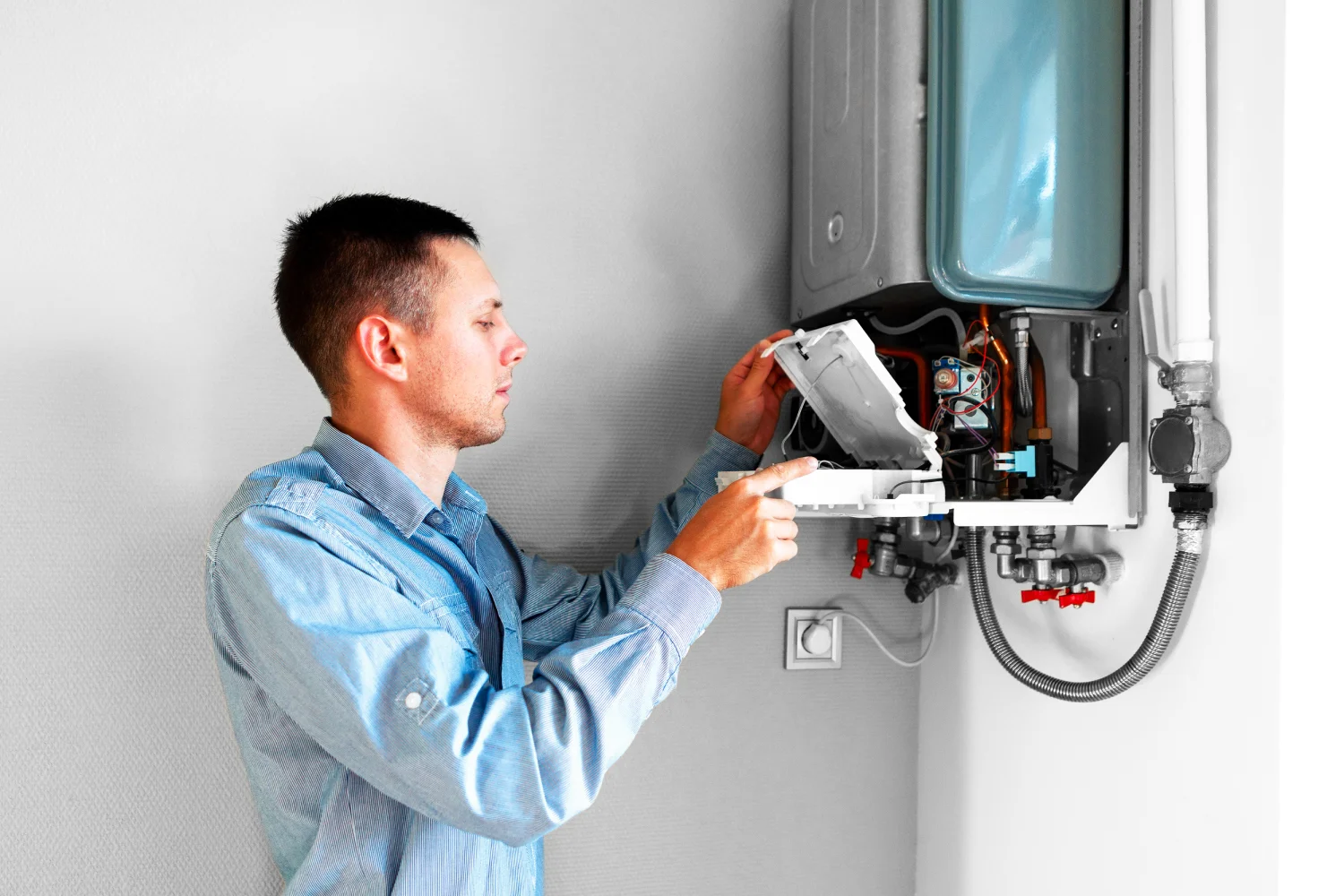
The installer examines the current boiler, heating controls, pipework, flue and oil supply. The location of the boiler is also considered, along with access and any practical restrictions.
This initial assessment is important because the existing installation may contain components that need attention before the new boiler can be fitted.
2. Selecting the replacement boiler
The replacement should be chosen according to the property’s heating and hot water requirements. Available space, system compatibility and the proposed installation arrangement also need to be considered.
3. Removing the old appliance
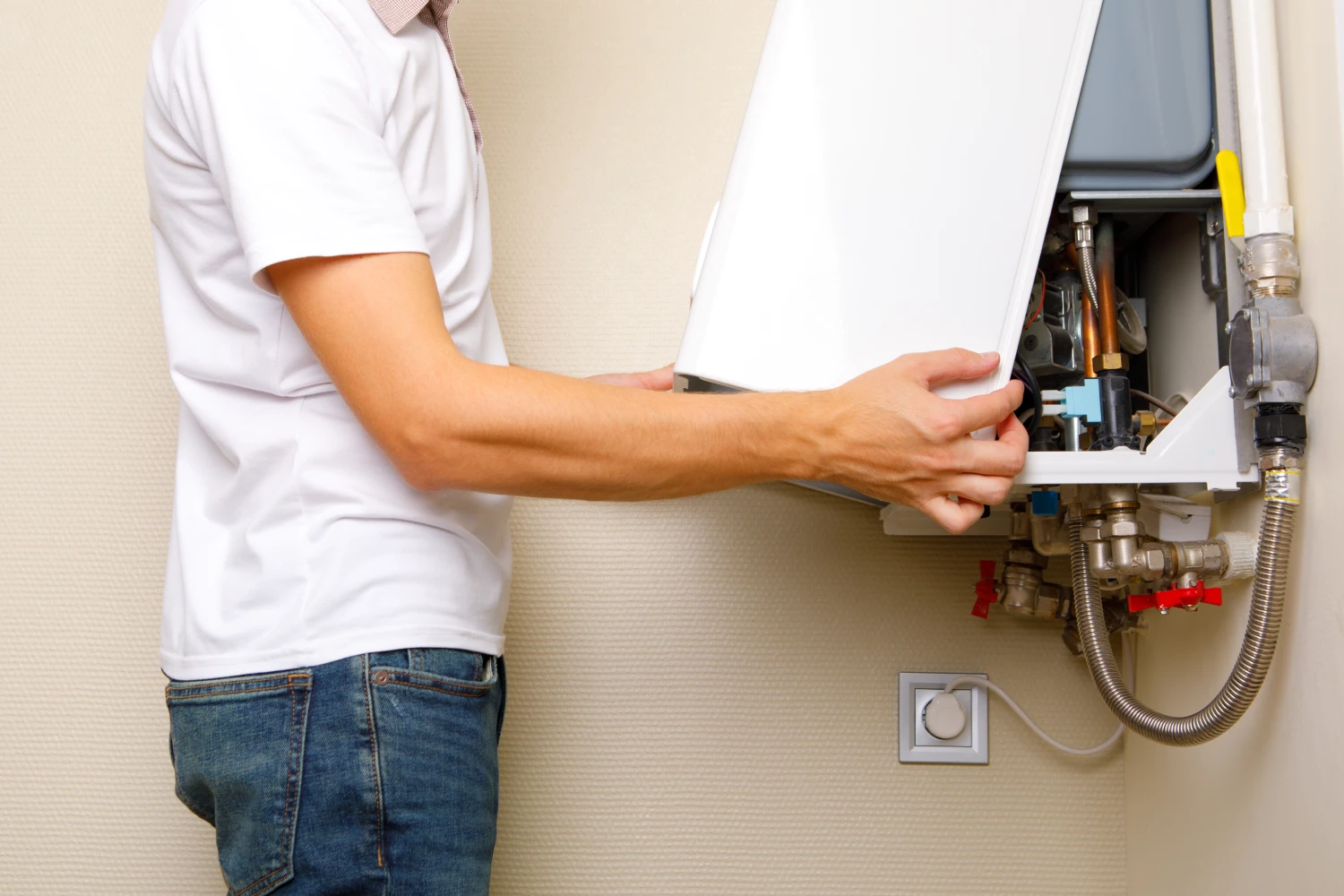
The existing boiler is disconnected and removed safely. Once it is out of the way, the installer can inspect the surrounding area and prepare the system for the replacement.
4. Connecting the new boiler
The new appliance is connected to the heating system, oil supply and relevant controls. Depending on the condition of the existing installation, sections of pipework or other components may also need to be changed.
5. Testing and commissioning
The completed system should be checked and commissioned correctly. The installer should verify that the boiler, heating controls and associated components are operating as intended.
6. Explaining the system
A homeowner should be shown how to use the boiler and controls. Relevant installation and manufacturer documentation should also be provided.
(Link to service page: Boiler Servicing)
Does an existing oil tank need to be replaced?
Not necessarily. An oil tank may be suitable to remain in use if it is in good condition and meets the relevant requirements.
However, an old tank should not be overlooked simply because the main reason for the project is boiler replacement. Corrosion, cracking, leaks, damaged fittings or deterioration around the tank can all indicate that further work may be needed.
The position of the tank should also be considered if the heating system is being altered. Changes to the boiler location or oil supply may affect how the system is arranged.
A professional assessment can determine whether the existing tank is suitable to remain or whether replacing it should form part of the wider project.
What should you ask a boiler fitter before installation?
Choosing an experienced boiler fitter Belfast homeowners can communicate with clearly is important. A professional installation involves more than connecting a new appliance.
Before agreeing to the work, homeowners can ask:
|
Question to ask |
Why it matters |
|
How will the boiler size be calculated? |
Helps establish whether the appliance is suitable for the property |
|
Will the complete heating system be assessed? |
Identifies issues that may exist outside the boiler |
|
Is the oil tank suitable to remain? |
Prevents potential tank problems being overlooked |
|
Are the current controls suitable? |
Determines whether control upgrades should be considered |
|
What is included in the quotation? |
Makes different quotations easier to compare |
|
Will the system be commissioned? |
Confirms the finished installation has been properly checked |
|
What documentation will I receive? |
Provides useful records for future servicing and reference |
It is also sensible to ask about anything that could affect the final price before work begins. A clear quotation should explain what is included and identify any known additional requirements.
Reid Energy Solutions can assess your existing oil heating system and explain what may be required for a replacement. Contact our team if you would like tailored advice before making a decision.
Should you upgrade the heating controls at the same time?
A boiler replacement provides a useful opportunity to review the heating controls.
Older systems may rely on basic controls that offer limited flexibility. Depending on the property’s heating arrangement, a replacement project could be an appropriate time to consider an updated programmer, thermostat or zoning arrangement.
However, controls should be selected because they are suitable for the heating system and household, not simply because they are newer. A professional installer should explain the available options and how they would work with the proposed boiler.
Effective controls can also make it easier to manage heating times and temperatures, helping homeowners use their system in a more controlled way.
What can make an oil boiler installation more complicated?
A boiler replacement can appear straightforward until the existing system is inspected. Several factors can affect the work required.
These may include:
- Difficult access to the boiler location
- Restricted or unsuitable flue arrangements
- Older or damaged pipework
- Poor circulation
- An ageing oil tank
- Limited space around the boiler
- Outdated heating controls
- Changes required to the boiler position
- Additional work needed on associated components
This is why an initial survey is valuable. It allows potential issues to be identified before installation day, rather than discovering them after the existing boiler has already been removed.
For homeowners comparing boiler installation Belfast options, the scope of work can therefore be just as important as the headline price.
How can you prepare for the installation?
Homeowners can make the process easier by preparing the property and discussing any concerns with the installer beforehand.
Before installation, consider:
- Clearing access to the boiler and surrounding area.
- Telling the installer about recurring heating or hot water problems.
- Explaining which rooms have historically been difficult to heat.
- Confirming what the quotation includes.
- Asking whether the existing controls will remain.
- Discussing whether the oil tank has been assessed.
- Confirming the expected duration of the work.
- Asking how the completed system will be demonstrated.
If you are already considering radiator upgrades, control changes or other heating improvements, mention these during the initial assessment. It may be possible to plan related work together rather than disturbing the system again later.
What might a typical replacement look like?
Consider a typical semi-detached property where an older oil boiler has become increasingly unreliable. The boiler still provides heating, but the homeowner has experienced repeated breakdowns and inconsistent hot water.
Instead of simply selecting another boiler with the same output, an installer assesses the property, heating demand, controls, pipework and oil supply. The existing tank is found to be suitable for continued use, while the boiler and controls require replacement.
The homeowner receives a clear explanation of the proposed work before installation starts. This approach allows the replacement to be planned around the whole heating system rather than treating the boiler as an isolated component.
Which fuel powers your boiler?
It just takes 60 Seconds
And then you can book a free consultation
What should happen after the new boiler is installed?
Once the replacement is complete, the homeowner should understand how to operate the boiler and heating controls.
The installer should explain the basic operation and provide the relevant documentation. Keeping these records somewhere accessible can be useful if the boiler needs servicing or if warranty information needs to be checked later.
Regular servicing should also form part of ongoing boiler care. The appropriate servicing arrangements depend on the appliance and manufacturer’s guidance, so homeowners should follow the relevant recommendations.
A well-maintained system can make it easier to identify developing problems before they become more disruptive.
Final thoughts
Replacing an oil boiler is an important home improvement, but the boiler itself is only part of the equation. Boiler sizing, heating controls, pipework, the oil tank and the practical requirements of the property can all influence the finished installation.
Taking time to understand these factors before work begins can help homeowners make informed decisions and reduce the risk of unexpected issues. A proper assessment and clearly explained quotation should leave you knowing what is being installed, why it has been recommended and what work is included.
Related articles
Which fuel powers your boiler?
At a glance
The condition of the pipework, oil tank, controls, radiators and flue can all influence the installation. Taking time to understand these factors can help homeowners ask the right questions, compare quotations properly and avoid unexpected work once installation begins.
For anyone considering boiler installation Belfast, the starting point should be a proper assessment of the existing system. A replacement boiler should be selected according to the property and household’s requirements, rather than simply choosing a model based on the appliance already installed.
What should you check before replacing an oil boiler?
Before choosing a new appliance, it is worth looking at the complete heating arrangement. An installer should consider how the property is heated, how hot water is produced and whether existing components are suitable for continued use.
Important factors can include:
- The size and layout of the property
- The number of rooms and radiators
- Hot water requirements
- Existing heating controls
- The condition of the pipework
- The position and condition of the oil tank
- The existing flue arrangement
- Access to the boiler location
- The age and condition of the current appliance
A replacement boiler may improve reliability, but it will not automatically resolve every problem in an ageing heating system. If some radiators remain cold, the system has circulation problems or the controls are no longer working properly, these issues should be identified before installation.
How is the right boiler size determined?
Boiler size should be based on the heating requirements of the property rather than simply matching the output of the old boiler.
An installer can assess factors such as the property’s size, insulation, room layout, windows and external walls. Hot water requirements should also be considered, particularly where the boiler works with a hot water cylinder or another stored hot water system.
Choosing an unnecessarily large boiler does not automatically mean better heating. Equally, an undersized appliance may struggle to meet demand during colder periods.
A suitable assessment helps establish the output required for the property and allows the installer to consider how the boiler will operate alongside the existing heating system.
What does a typical oil boiler installation involve?
Every property is different, but a professional replacement generally follows a number of stages.
1. Assessing the existing system
The installer examines the current boiler, heating controls, pipework, flue and oil supply. The location of the boiler is also considered, along with access and any practical restrictions.
This initial assessment is important because the existing installation may contain components that need attention before the new boiler can be fitted.
2. Selecting the replacement boiler
The replacement should be chosen according to the property’s heating and hot water requirements. Available space, system compatibility and the proposed installation arrangement also need to be considered.
3. Removing the old appliance
The existing boiler is disconnected and removed safely. Once it is out of the way, the installer can inspect the surrounding area and prepare the system for the replacement.
4. Connecting the new boiler
The new appliance is connected to the heating system, oil supply and relevant controls. Depending on the condition of the existing installation, sections of pipework or other components may also need to be changed.
5. Testing and commissioning
The completed system should be checked and commissioned correctly. The installer should verify that the boiler, heating controls and associated components are operating as intended.
6. Explaining the system
A homeowner should be shown how to use the boiler and controls. Relevant installation and manufacturer documentation should also be provided.
(Link to service page: Boiler Servicing)
Does an existing oil tank need to be replaced?
Not necessarily. An oil tank may be suitable to remain in use if it is in good condition and meets the relevant requirements.
However, an old tank should not be overlooked simply because the main reason for the project is boiler replacement. Corrosion, cracking, leaks, damaged fittings or deterioration around the tank can all indicate that further work may be needed.
The position of the tank should also be considered if the heating system is being altered. Changes to the boiler location or oil supply may affect how the system is arranged.
A professional assessment can determine whether the existing tank is suitable to remain or whether replacing it should form part of the wider project.
What should you ask a boiler fitter before installation?
Choosing an experienced boiler fitter Belfast homeowners can communicate with clearly is important. A professional installation involves more than connecting a new appliance.
Before agreeing to the work, homeowners can ask:
|
Question to ask |
Why it matters |
|
How will the boiler size be calculated? |
Helps establish whether the appliance is suitable for the property |
|
Will the complete heating system be assessed? |
Identifies issues that may exist outside the boiler |
|
Is the oil tank suitable to remain? |
Prevents potential tank problems being overlooked |
|
Are the current controls suitable? |
Determines whether control upgrades should be considered |
|
What is included in the quotation? |
Makes different quotations easier to compare |
|
Will the system be commissioned? |
Confirms the finished installation has been properly checked |
|
What documentation will I receive? |
Provides useful records for future servicing and reference |
It is also sensible to ask about anything that could affect the final price before work begins. A clear quotation should explain what is included and identify any known additional requirements.
Reid Energy Solutions can assess your existing oil heating system and explain what may be required for a replacement. Contact our team if you would like tailored advice before making a decision.
Should you upgrade the heating controls at the same time?
A boiler replacement provides a useful opportunity to review the heating controls.
Older systems may rely on basic controls that offer limited flexibility. Depending on the property’s heating arrangement, a replacement project could be an appropriate time to consider an updated programmer, thermostat or zoning arrangement.
However, controls should be selected because they are suitable for the heating system and household, not simply because they are newer. A professional installer should explain the available options and how they would work with the proposed boiler.
Effective controls can also make it easier to manage heating times and temperatures, helping homeowners use their system in a more controlled way.
What can make an oil boiler installation more complicated?
A boiler replacement can appear straightforward until the existing system is inspected. Several factors can affect the work required.
These may include:
- Difficult access to the boiler location
- Restricted or unsuitable flue arrangements
- Older or damaged pipework
- Poor circulation
- An ageing oil tank
- Limited space around the boiler
- Outdated heating controls
- Changes required to the boiler position
- Additional work needed on associated components
This is why an initial survey is valuable. It allows potential issues to be identified before installation day, rather than discovering them after the existing boiler has already been removed.
For homeowners comparing boiler installation Belfast options, the scope of work can therefore be just as important as the headline price.
How can you prepare for the installation?
Homeowners can make the process easier by preparing the property and discussing any concerns with the installer beforehand.
Before installation, consider:
- Clearing access to the boiler and surrounding area.
- Telling the installer about recurring heating or hot water problems.
- Explaining which rooms have historically been difficult to heat.
- Confirming what the quotation includes.
- Asking whether the existing controls will remain.
- Discussing whether the oil tank has been assessed.
- Confirming the expected duration of the work.
- Asking how the completed system will be demonstrated.
If you are already considering radiator upgrades, control changes or other heating improvements, mention these during the initial assessment. It may be possible to plan related work together rather than disturbing the system again later.
What might a typical replacement look like?
Consider a typical semi-detached property where an older oil boiler has become increasingly unreliable. The boiler still provides heating, but the homeowner has experienced repeated breakdowns and inconsistent hot water.
Instead of simply selecting another boiler with the same output, an installer assesses the property, heating demand, controls, pipework and oil supply. The existing tank is found to be suitable for continued use, while the boiler and controls require replacement.
The homeowner receives a clear explanation of the proposed work before installation starts. This approach allows the replacement to be planned around the whole heating system rather than treating the boiler as an isolated component.
Which fuel powers your boiler?
It just takes 60 Seconds
And then you can book a free consultation
What should happen after the new boiler is installed?
Once the replacement is complete, the homeowner should understand how to operate the boiler and heating controls.
The installer should explain the basic operation and provide the relevant documentation. Keeping these records somewhere accessible can be useful if the boiler needs servicing or if warranty information needs to be checked later.
Regular servicing should also form part of ongoing boiler care. The appropriate servicing arrangements depend on the appliance and manufacturer’s guidance, so homeowners should follow the relevant recommendations.
A well-maintained system can make it easier to identify developing problems before they become more disruptive.
Final thoughts
Replacing an oil boiler is an important home improvement, but the boiler itself is only part of the equation. Boiler sizing, heating controls, pipework, the oil tank and the practical requirements of the property can all influence the finished installation.
Taking time to understand these factors before work begins can help homeowners make informed decisions and reduce the risk of unexpected issues. A proper assessment and clearly explained quotation should leave you knowing what is being installed, why it has been recommended and what work is included.
