
New Combi Boiler Belfast: Is a Combi Setup Suitable for Your Oil-Heated Home?
For homeowners with an oil-fired heating system, replacing the boiler can be an opportunity to reconsider how heating and hot water are provided. One option is an oil-fired combi boiler, which combines space heating and domestic hot water within one appliance.

Why you can trust our content
We understand that the boiler industry can be confusing, with plenty of outdated or misleading information. That’s why we rely only on trusted, proven sources to guide our advice and installations:

At a glance
However, a combi arrangement is not automatically the right choice for every property. Household size, hot water demand, water pressure, available space and the existing heating system all need to be considered before changing from a conventional setup.
If you are researching a new combi boiler Belfast homeowners may consider, understanding how the system works and where it may or may not be suitable can help you make a more informed decision.
What is an oil combi boiler?
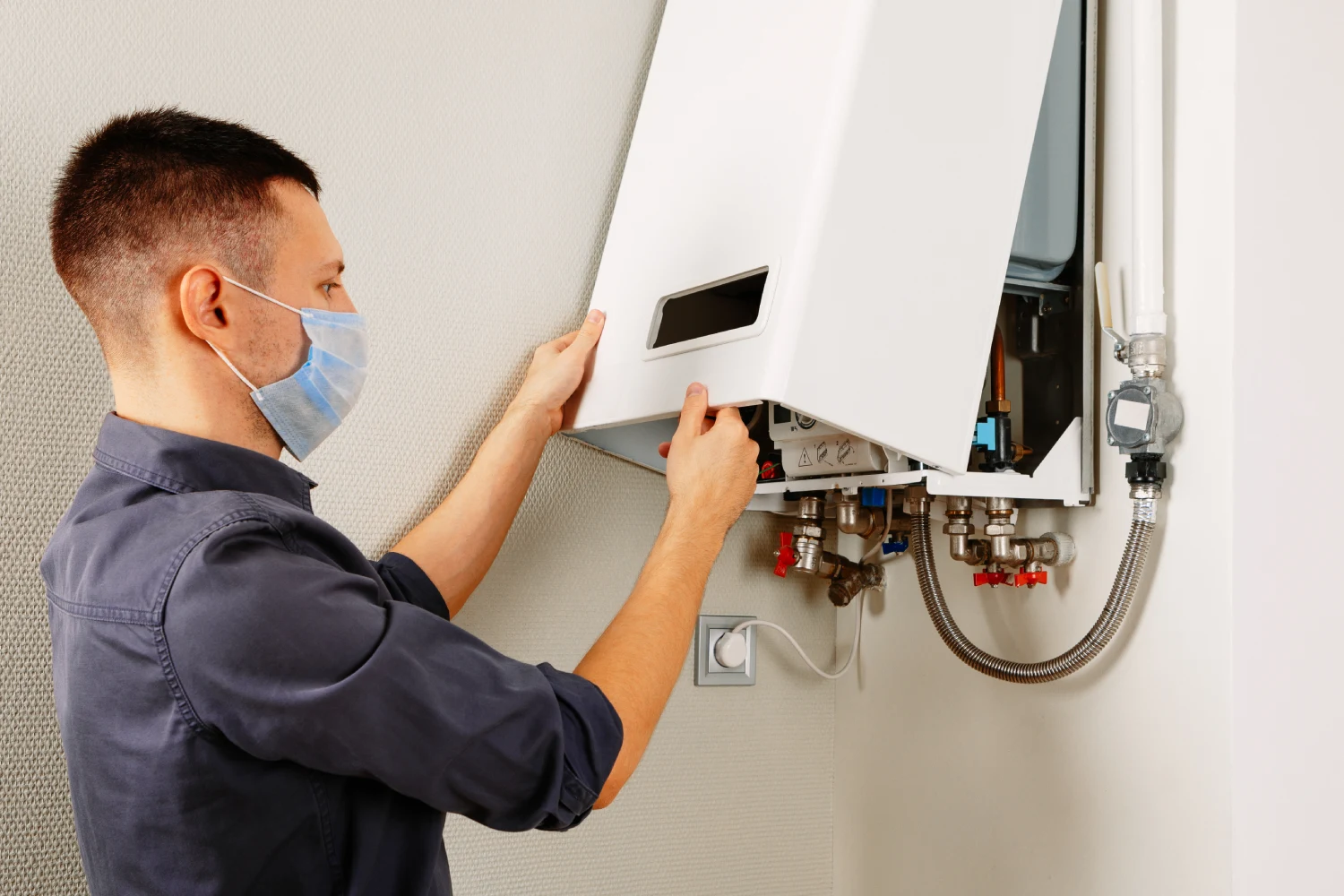
An oil combi boiler is designed to provide central heating and domestic hot water from one appliance. Unlike a traditional system with a separate hot water cylinder, the combi arrangement heats water as it is required.
This can reduce the amount of equipment needed around the property and may free up space where a cylinder or associated components would otherwise be located.
The basic principle is straightforward: the boiler heats water for the radiators and also supplies hot water for taps and showers when there is a demand.
The suitability of this arrangement depends heavily on the property’s water supply and the household’s hot water usage.
How does an oil combi system differ from a traditional oil heating system?
A conventional oil heating arrangement may use a boiler alongside a hot water cylinder and, depending on the system, other components such as a cold water storage tank.
An oil combi boiler combines the heating and hot water functions within the boiler itself.
|
Feature |
Oil combi system |
Traditional system |
|
Central heating |
Yes |
Yes |
|
Domestic hot water |
Produced by the boiler on demand |
Usually stored in a cylinder |
|
Separate hot water cylinder |
Generally not required |
Usually required |
|
Space requirements |
Potentially lower |
More components require space |
|
Simultaneous hot water use |
Depends on boiler and water supply |
Stored hot water can support multiple outlets |
|
Hot water recovery |
On-demand |
Depends on cylinder capacity and reheating |
Neither setup is universally suitable. The right choice depends on how the property is used and what the household expects from its heating and hot water system.
Is a combi boiler suitable for every oil-heated home?
No. A combi boiler can be a practical option for some homes, but it is not suitable for every property.
The main consideration is hot water demand. A household with one bathroom and relatively modest hot water use may have different requirements from a larger household where several people regularly use showers and taps at the same time.
Water supply is also important. An oil combi boiler needs to deliver hot water effectively from the incoming mains supply. If the available flow rate or pressure is unsuitable, the expected performance may not be achieved.
The property’s existing layout also matters. Changing from a stored hot water system to a combi arrangement can involve more than simply swapping one boiler for another.
What should you check before choosing an oil combi boiler?
Several questions should be answered before deciding whether a combi setup is appropriate.
Consider:
- How many people live in the property?
- How many bathrooms are regularly used?
- Is hot water often needed at multiple outlets?
- What is the mains water pressure and flow rate?
- Is there enough space for the proposed appliance?
- What type of heating system is currently installed?
- Are the existing radiators and pipework suitable?
- Is the oil tank in suitable condition?
- Would removing the hot water cylinder create useful space?
- Are there any known problems with the existing heating system?
These points can help establish whether a combi boiler would actually improve the household’s heating and hot water arrangement.
What are the potential advantages of an oil combi boiler?
For the right property, an oil combi system can offer several practical benefits.
Less equipment
Because hot water is produced by the boiler rather than stored separately, a cylinder may no longer be required. This can potentially release useful storage space.
Hot water on demand
The system heats domestic hot water when there is a demand rather than relying on a cylinder containing a finite volume of stored hot water.
Fewer major components
The overall arrangement can be more compact, depending on the existing system and installation requirements.
A simpler heating layout
For a suitable household, combining heating and hot water production into one appliance can make the system more straightforward to manage.
These benefits should be weighed against the property’s actual requirements rather than assumed to apply to every household.
Are there drawbacks to changing to a combi system?
There can be. One of the most important is the effect of simultaneous hot water demand.
A household that regularly uses several hot water outlets at once may find a combi arrangement less suitable than a system designed around stored hot water. Performance also depends on the available mains water supply.
Changing the system can also involve alterations to pipework and other components. If the existing system is working well, the potential benefits of conversion need to be considered against the work involved.
A professional assessment can help determine whether the change is genuinely appropriate.
Before choosing a new system, Reid Energy Solutions can assess the existing arrangement and discuss whether a combi conversion makes sense for your property. Contact our team for tailored advice.
How important is mains water pressure?
Mains water pressure and flow are particularly important when considering an oil combi boiler.
Because the boiler heats domestic hot water as it is needed, the incoming water supply needs to provide suitable flow for the property’s requirements. If the flow is limited, the hot water performance may not meet expectations.
This is why a proper assessment should include the water supply rather than focusing only on the boiler’s heating output.
A household may have an appropriately sized boiler but still experience disappointing hot water performance if the incoming supply cannot support the required flow.
Which fuel powers your boiler?
It just takes 60 Seconds
And then you can book a free consultation
What happens to the existing hot water cylinder?
If a property currently uses a hot water cylinder and is converted to a combi arrangement, the cylinder may no longer be required.
However, removing it should be considered as part of the overall system design. The installer needs to determine how the existing pipework and controls will be altered and whether any other components are affected.
For some homeowners, removing the cylinder could provide useful cupboard or airing-space capacity. For others, retaining stored hot water may make more sense because of the household’s usage patterns.
Can existing radiators stay?
Often, yes. Replacing the boiler does not automatically mean every radiator needs to be replaced.
The condition, size and output of the existing radiators should be considered. An installer can also identify whether there are circulation or balancing issues that could affect the performance of the new system.
If the radiators are old, corroded or poorly matched to the heating requirements, replacement may be worth discussing. Otherwise, suitable existing radiators may be retained.
What does combi boiler installation involve?
A conversion from a conventional oil system to an oil combi boiler can involve more work than a straightforward boiler replacement.
The installer may need to:
- Assess the existing boiler and heating system.
- Check mains water flow and pressure.
- Determine whether the proposed combi boiler is suitable.
- Remove the existing boiler.
- Modify relevant heating and hot water pipework.
- Disconnect or remove components that are no longer required.
- Install and connect the new boiler.
- Install or update suitable controls.
- Test and commission the completed system.
- Explain the controls and operation to the homeowner.
The exact scope will depend on the property.
This is why combi boiler installation Belfast homeowners are considering should be planned around the complete system rather than treated as a simple appliance exchange.
A typical Belfast home conversion
Consider a three-bedroom home with one main bathroom and moderate hot water demand. The existing property has an older oil boiler, a hot water cylinder and limited storage space.
The homeowners are considering a combi system because they would like to remove the cylinder and make better use of the available cupboard space. Before recommending a change, the installer assesses the mains water supply, boiler location, pipework and household usage.
The assessment confirms that a suitable oil combi arrangement can meet the property’s requirements. The system is then designed around the existing heating installation, with necessary pipework and control changes included in the project.
This type of assessment is important because the same recommendation may not be suitable for a larger household with multiple bathrooms and much higher simultaneous hot water demand.
How should you compare combi boiler options?
The appliance price is only one consideration. Homeowners should also look at the proposed system design and installation requirements.
Ask the installer:
- Why is a combi system suitable for the property?
- Has the mains water supply been checked?
- What boiler output is being recommended?
- What happens to the existing cylinder?
- Which controls will be installed?
- Will the existing radiators remain?
- Are pipework alterations required?
- Is the oil tank suitable?
- What commissioning and documentation are included?
Clear answers can help you understand whether the proposed system is genuinely designed around your home.
What if a combi boiler is not suitable?
There are other ways to improve an oil heating system. A conventional or system arrangement may remain more appropriate where a household has high hot water demand or where the mains water supply is not suitable for a combi setup.
The important point is not to decide based on the name of the boiler alone. The heating and hot water system should be designed around the property, household and available infrastructure.
A professional installer can explain the alternatives and the practical differences between them.
Final thoughts
An oil combi boiler can provide a compact approach to heating and hot water, but it is not automatically the right choice for every oil-heated home. Household demand, mains water performance, available space and the existing heating system all need to be considered.
If you are researching a new combi boiler Belfast homeowners can use, focus on whether the complete system is appropriate rather than simply comparing appliance specifications. A detailed assessment should explain the benefits, limitations and work involved before you commit.
Related articles



Which fuel powers your boiler?
At a glance
However, a combi arrangement is not automatically the right choice for every property. Household size, hot water demand, water pressure, available space and the existing heating system all need to be considered before changing from a conventional setup.
If you are researching a new combi boiler Belfast homeowners may consider, understanding how the system works and where it may or may not be suitable can help you make a more informed decision.
What is an oil combi boiler?
An oil combi boiler is designed to provide central heating and domestic hot water from one appliance. Unlike a traditional system with a separate hot water cylinder, the combi arrangement heats water as it is required.
This can reduce the amount of equipment needed around the property and may free up space where a cylinder or associated components would otherwise be located.
The basic principle is straightforward: the boiler heats water for the radiators and also supplies hot water for taps and showers when there is a demand.
The suitability of this arrangement depends heavily on the property’s water supply and the household’s hot water usage.
How does an oil combi system differ from a traditional oil heating system?
A conventional oil heating arrangement may use a boiler alongside a hot water cylinder and, depending on the system, other components such as a cold water storage tank.
An oil combi boiler combines the heating and hot water functions within the boiler itself.
|
Feature |
Oil combi system |
Traditional system |
|
Central heating |
Yes |
Yes |
|
Domestic hot water |
Produced by the boiler on demand |
Usually stored in a cylinder |
|
Separate hot water cylinder |
Generally not required |
Usually required |
|
Space requirements |
Potentially lower |
More components require space |
|
Simultaneous hot water use |
Depends on boiler and water supply |
Stored hot water can support multiple outlets |
|
Hot water recovery |
On-demand |
Depends on cylinder capacity and reheating |
Neither setup is universally suitable. The right choice depends on how the property is used and what the household expects from its heating and hot water system.
Is a combi boiler suitable for every oil-heated home?
No. A combi boiler can be a practical option for some homes, but it is not suitable for every property.
The main consideration is hot water demand. A household with one bathroom and relatively modest hot water use may have different requirements from a larger household where several people regularly use showers and taps at the same time.
Water supply is also important. An oil combi boiler needs to deliver hot water effectively from the incoming mains supply. If the available flow rate or pressure is unsuitable, the expected performance may not be achieved.
The property’s existing layout also matters. Changing from a stored hot water system to a combi arrangement can involve more than simply swapping one boiler for another.
What should you check before choosing an oil combi boiler?
Several questions should be answered before deciding whether a combi setup is appropriate.
Consider:
- How many people live in the property?
- How many bathrooms are regularly used?
- Is hot water often needed at multiple outlets?
- What is the mains water pressure and flow rate?
- Is there enough space for the proposed appliance?
- What type of heating system is currently installed?
- Are the existing radiators and pipework suitable?
- Is the oil tank in suitable condition?
- Would removing the hot water cylinder create useful space?
- Are there any known problems with the existing heating system?
These points can help establish whether a combi boiler would actually improve the household’s heating and hot water arrangement.
What are the potential advantages of an oil combi boiler?
For the right property, an oil combi system can offer several practical benefits.
Less equipment
Because hot water is produced by the boiler rather than stored separately, a cylinder may no longer be required. This can potentially release useful storage space.
Hot water on demand
The system heats domestic hot water when there is a demand rather than relying on a cylinder containing a finite volume of stored hot water.
Fewer major components
The overall arrangement can be more compact, depending on the existing system and installation requirements.
A simpler heating layout
For a suitable household, combining heating and hot water production into one appliance can make the system more straightforward to manage.
These benefits should be weighed against the property’s actual requirements rather than assumed to apply to every household.
Are there drawbacks to changing to a combi system?
There can be. One of the most important is the effect of simultaneous hot water demand.
A household that regularly uses several hot water outlets at once may find a combi arrangement less suitable than a system designed around stored hot water. Performance also depends on the available mains water supply.
Changing the system can also involve alterations to pipework and other components. If the existing system is working well, the potential benefits of conversion need to be considered against the work involved.
A professional assessment can help determine whether the change is genuinely appropriate.
Before choosing a new system, Reid Energy Solutions can assess the existing arrangement and discuss whether a combi conversion makes sense for your property. Contact our team for tailored advice.
How important is mains water pressure?
Mains water pressure and flow are particularly important when considering an oil combi boiler.
Because the boiler heats domestic hot water as it is needed, the incoming water supply needs to provide suitable flow for the property’s requirements. If the flow is limited, the hot water performance may not meet expectations.
This is why a proper assessment should include the water supply rather than focusing only on the boiler’s heating output.
A household may have an appropriately sized boiler but still experience disappointing hot water performance if the incoming supply cannot support the required flow.
Which fuel powers your boiler?
It just takes 60 Seconds
And then you can book a free consultation
What happens to the existing hot water cylinder?
If a property currently uses a hot water cylinder and is converted to a combi arrangement, the cylinder may no longer be required.
However, removing it should be considered as part of the overall system design. The installer needs to determine how the existing pipework and controls will be altered and whether any other components are affected.
For some homeowners, removing the cylinder could provide useful cupboard or airing-space capacity. For others, retaining stored hot water may make more sense because of the household’s usage patterns.
Can existing radiators stay?
Often, yes. Replacing the boiler does not automatically mean every radiator needs to be replaced.
The condition, size and output of the existing radiators should be considered. An installer can also identify whether there are circulation or balancing issues that could affect the performance of the new system.
If the radiators are old, corroded or poorly matched to the heating requirements, replacement may be worth discussing. Otherwise, suitable existing radiators may be retained.
What does combi boiler installation involve?
A conversion from a conventional oil system to an oil combi boiler can involve more work than a straightforward boiler replacement.
The installer may need to:
- Assess the existing boiler and heating system.
- Check mains water flow and pressure.
- Determine whether the proposed combi boiler is suitable.
- Remove the existing boiler.
- Modify relevant heating and hot water pipework.
- Disconnect or remove components that are no longer required.
- Install and connect the new boiler.
- Install or update suitable controls.
- Test and commission the completed system.
- Explain the controls and operation to the homeowner.
The exact scope will depend on the property.
This is why combi boiler installation Belfast homeowners are considering should be planned around the complete system rather than treated as a simple appliance exchange.
A typical Belfast home conversion
Consider a three-bedroom home with one main bathroom and moderate hot water demand. The existing property has an older oil boiler, a hot water cylinder and limited storage space.
The homeowners are considering a combi system because they would like to remove the cylinder and make better use of the available cupboard space. Before recommending a change, the installer assesses the mains water supply, boiler location, pipework and household usage.
The assessment confirms that a suitable oil combi arrangement can meet the property’s requirements. The system is then designed around the existing heating installation, with necessary pipework and control changes included in the project.
This type of assessment is important because the same recommendation may not be suitable for a larger household with multiple bathrooms and much higher simultaneous hot water demand.
How should you compare combi boiler options?
The appliance price is only one consideration. Homeowners should also look at the proposed system design and installation requirements.
Ask the installer:
- Why is a combi system suitable for the property?
- Has the mains water supply been checked?
- What boiler output is being recommended?
- What happens to the existing cylinder?
- Which controls will be installed?
- Will the existing radiators remain?
- Are pipework alterations required?
- Is the oil tank suitable?
- What commissioning and documentation are included?
Clear answers can help you understand whether the proposed system is genuinely designed around your home.
What if a combi boiler is not suitable?
There are other ways to improve an oil heating system. A conventional or system arrangement may remain more appropriate where a household has high hot water demand or where the mains water supply is not suitable for a combi setup.
The important point is not to decide based on the name of the boiler alone. The heating and hot water system should be designed around the property, household and available infrastructure.
A professional installer can explain the alternatives and the practical differences between them.
Final thoughts
An oil combi boiler can provide a compact approach to heating and hot water, but it is not automatically the right choice for every oil-heated home. Household demand, mains water performance, available space and the existing heating system all need to be considered.
If you are researching a new combi boiler Belfast homeowners can use, focus on whether the complete system is appropriate rather than simply comparing appliance specifications. A detailed assessment should explain the benefits, limitations and work involved before you commit.
