
Is It Time for a New Oil Boiler? Signs You Shouldn’t Ignore
Is It Time for a New Oil Boiler? Signs You Shouldn’t Ignore Oil boilers are a crucial part of many homes, providing reliable heat and hot water. However, like all appliances, they don’t last forever. An oil boiler will need to be replaced at some…

Why you can trust our content
We understand that the boiler industry can be confusing, with plenty of outdated or misleading information. That’s why we rely only on trusted, proven sources to guide our advice and installations:

At a glance
Is It Time for a New Oil Boiler? Signs You Shouldn’t Ignore
Oil boilers are a crucial part of many homes, providing reliable heat and hot water. However, like all appliances, they don’t last forever. An oil boiler will need to be replaced at some point. Here’s what you need to know about their lifespan and the factors to consider when it’s time for a new one.
How Long Do Oil Boilers Last?
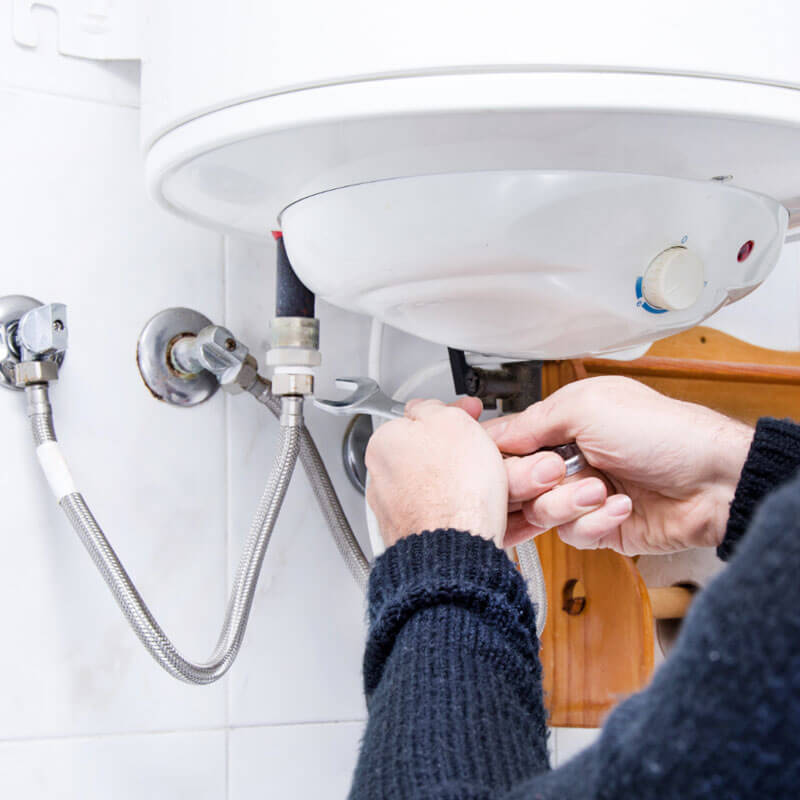
The average lifespan of an oil boiler is 15 to 20 years, but this can vary depending on:
If your oil boiler is over 15 years old, it’s worth considering an upgrade, as newer models are more efficient and environmentally friendly.
Signs It’s Time to Replace Your Oil Boiler
Older boilers may continue to work effectively for many more years, but to help determine whether it’s time to start budgeting for a replacement, look out for the following warning signs.
Benefits of Replacing Your Oil Boiler
Although there are upfront costs involved with installing a new oil boiler, there are some worthwhile benefits to enjoy. Upgrading to a modern oil boiler can offer:
When deciding to replace your oil boiler, weigh the upfront costs against the long-term benefits. A new boiler can significantly improve your home’s comfort, efficiency and environmental impact. For tailored advice, consult us at Reid Heating Services. As your local heating professionals, we can assess your needs and provide the best options for your property.
Related articles
Which fuel powers your boiler?
At a glance
Is It Time for a New Oil Boiler? Signs You Shouldn’t Ignore
Oil boilers are a crucial part of many homes, providing reliable heat and hot water. However, like all appliances, they don’t last forever. An oil boiler will need to be replaced at some point. Here’s what you need to know about their lifespan and the factors to consider when it’s time for a new one.
How Long Do Oil Boilers Last?
The average lifespan of an oil boiler is 15 to 20 years, but this can vary depending on:
If your oil boiler is over 15 years old, it’s worth considering an upgrade, as newer models are more efficient and environmentally friendly.
Signs It’s Time to Replace Your Oil Boiler
Older boilers may continue to work effectively for many more years, but to help determine whether it’s time to start budgeting for a replacement, look out for the following warning signs.
Benefits of Replacing Your Oil Boiler
Although there are upfront costs involved with installing a new oil boiler, there are some worthwhile benefits to enjoy. Upgrading to a modern oil boiler can offer:
When deciding to replace your oil boiler, weigh the upfront costs against the long-term benefits. A new boiler can significantly improve your home’s comfort, efficiency and environmental impact. For tailored advice, consult us at Reid Heating Services. As your local heating professionals, we can assess your needs and provide the best options for your property.
