
All You Need to Know About Power Flushing and Why Your Heating System Needs It
All You Need to Know About Power Flushing and Why Your Heating System Needs It Over time, heating systems can accumulate sludge, rust and other debris. This build up reduces the efficiency and longevity of the system. If your radiators aren’t heating evenly, your boiler…

Why you can trust our content
We understand that the boiler industry can be confusing, with plenty of outdated or misleading information. That’s why we rely only on trusted, proven sources to guide our advice and installations:


At a glance
All You Need to Know About Power Flushing and Why Your Heating System Needs It
Over time, heating systems can accumulate sludge, rust and other debris. This build up reduces the efficiency and longevity of the system. If your radiators aren’t heating evenly, your boiler is making unusual noises, or your energy bills are creeping up, your system might benefit from a power flush. Here’s everything you need to know about power flushing and how it can restore your heating system’s performance.
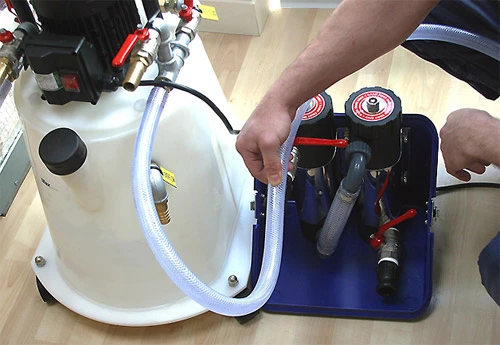
What Is Power Flushing?
Power flushing is a deep-cleaning process designed to remove dirt, rust and scale build-up from your central heating system. Using a powerful pump and a chemical cleaning solution, this method forces water through the system at high velocity to dislodge debris. The result is a clean and more efficient heating system that delivers consistent warmth throughout your home.
Signs Your System Needs a Power Flush
If it has been many years since your heating has been power flushed, it is probably time to book the service. Your heating system may need a power flush if you notice:
Benefits of Power Flushing
Once your heating has been cleaned internally, you will notice some great benefits. These include:
How Much Does Power Flushing Cost?
The cost of power flushing varies depending on the size of your system and the number of radiators. Typical prices range from £300 to £600. While this might seem like a significant investment, the improved efficiency and reduced risk of breakdowns can save you money in the long run.
Power flushing is usually completed when a new boiler is installed, to make sure the system works efficiently. This power flushing cost may be included with the installation quote.
The Power Flushing Process
When completed by a professional heating engineer, a power flush usually takes around half a day to complete. Everything that is required is brought along with the engineers, and it is all removed at the end leaving no mess behind.
Is Power Flushing Right for Your System?
If you have spotted any of the early signs, or you just do not know how long it’s been since your heating has been power flushed, it’s worth asking Reid Energy Solutions to complete an assessment. We will give you an honest answer and a quote for your specific system.
Related articles
Which fuel powers your boiler?
At a glance
All You Need to Know About Power Flushing and Why Your Heating System Needs It
Over time, heating systems can accumulate sludge, rust and other debris. This build up reduces the efficiency and longevity of the system. If your radiators aren’t heating evenly, your boiler is making unusual noises, or your energy bills are creeping up, your system might benefit from a power flush. Here’s everything you need to know about power flushing and how it can restore your heating system’s performance.
What Is Power Flushing?
Power flushing is a deep-cleaning process designed to remove dirt, rust and scale build-up from your central heating system. Using a powerful pump and a chemical cleaning solution, this method forces water through the system at high velocity to dislodge debris. The result is a clean and more efficient heating system that delivers consistent warmth throughout your home.
Signs Your System Needs a Power Flush
If it has been many years since your heating has been power flushed, it is probably time to book the service. Your heating system may need a power flush if you notice:
Benefits of Power Flushing
Once your heating has been cleaned internally, you will notice some great benefits. These include:
How Much Does Power Flushing Cost?
The cost of power flushing varies depending on the size of your system and the number of radiators. Typical prices range from £300 to £600. While this might seem like a significant investment, the improved efficiency and reduced risk of breakdowns can save you money in the long run.
Power flushing is usually completed when a new boiler is installed, to make sure the system works efficiently. This power flushing cost may be included with the installation quote.
The Power Flushing Process
When completed by a professional heating engineer, a power flush usually takes around half a day to complete. Everything that is required is brought along with the engineers, and it is all removed at the end leaving no mess behind.
Is Power Flushing Right for Your System?
If you have spotted any of the early signs, or you just do not know how long it’s been since your heating has been power flushed, it’s worth asking Reid Energy Solutions to complete an assessment. We will give you an honest answer and a quote for your specific system.
